Guides
Straight answers about RL environments, agent evals and expert data.
Each guide answers its question in the first paragraph, then goes deep with worked examples from real Sandworld tasks. Facts about other companies and the market link to their sources.
Environments

What is an RL environment for AI agents?
An RL environment is a resettable sandbox where an AI agent acts through tools and a verifier checks the result, producing a reward or a score.
6 min read

RL environments vs static benchmarks: what’s the difference?
Static benchmarks score one answer against a key; RL environments let agents act over many steps and verify the resulting state. Here’s when to use each.
5 min read
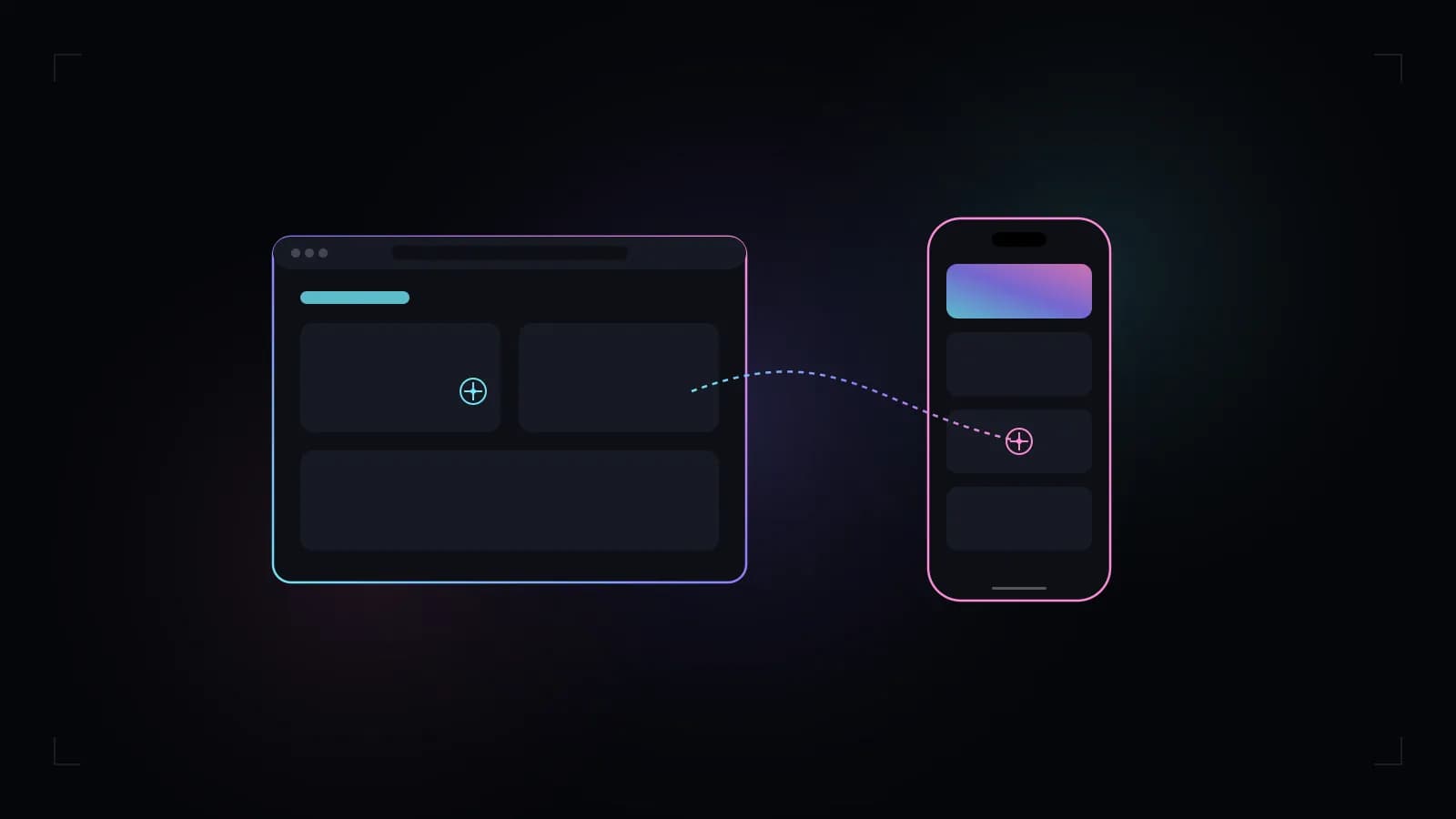
Computer-use and mobile agent environments: a 2026 guide
Computer-use environments let agents operate apps via screens or tools in resettable sandboxes. Mobile is the least-served surface. What to know in 2026.
5 min read
Evaluation
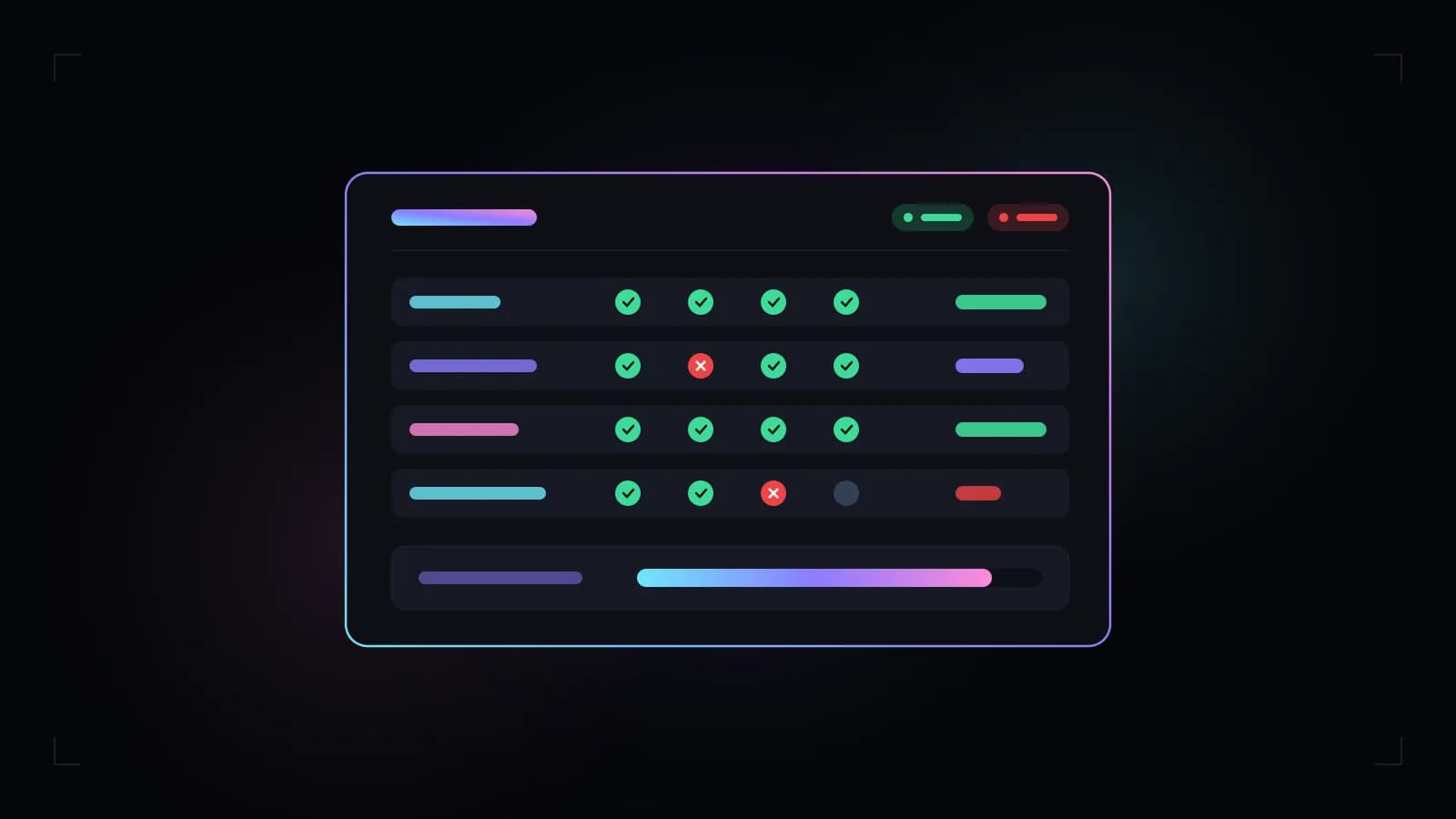
How to evaluate AI agents: metrics, methods and pitfalls
Evaluate AI agents on multi-step tasks in resettable environments: grade final state with verifiers and report pass rates over seeds and repeated attempts.
6 min read
What makes a good verifier for RL environments?
A good verifier passes every correct solution and fails every wrong one, including reward hacks and collateral damage. Here’s how to build and test one.
7 min read
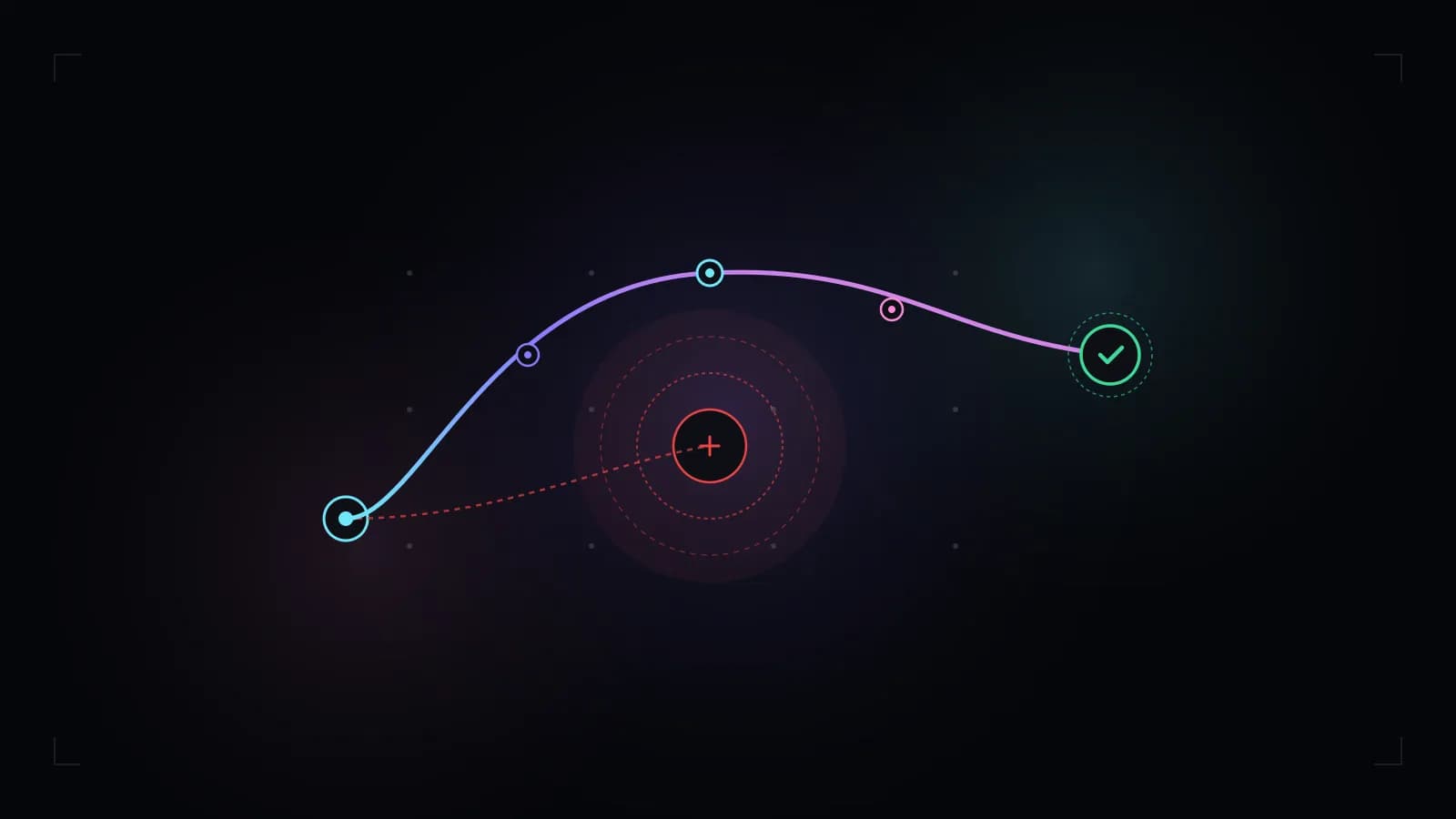
How to design agent tasks with policy traps
A policy trap makes the tempting action possible but forbidden by the rules. How to write the rule, build the trap and verify the refusal in state.
5 min read
Training data
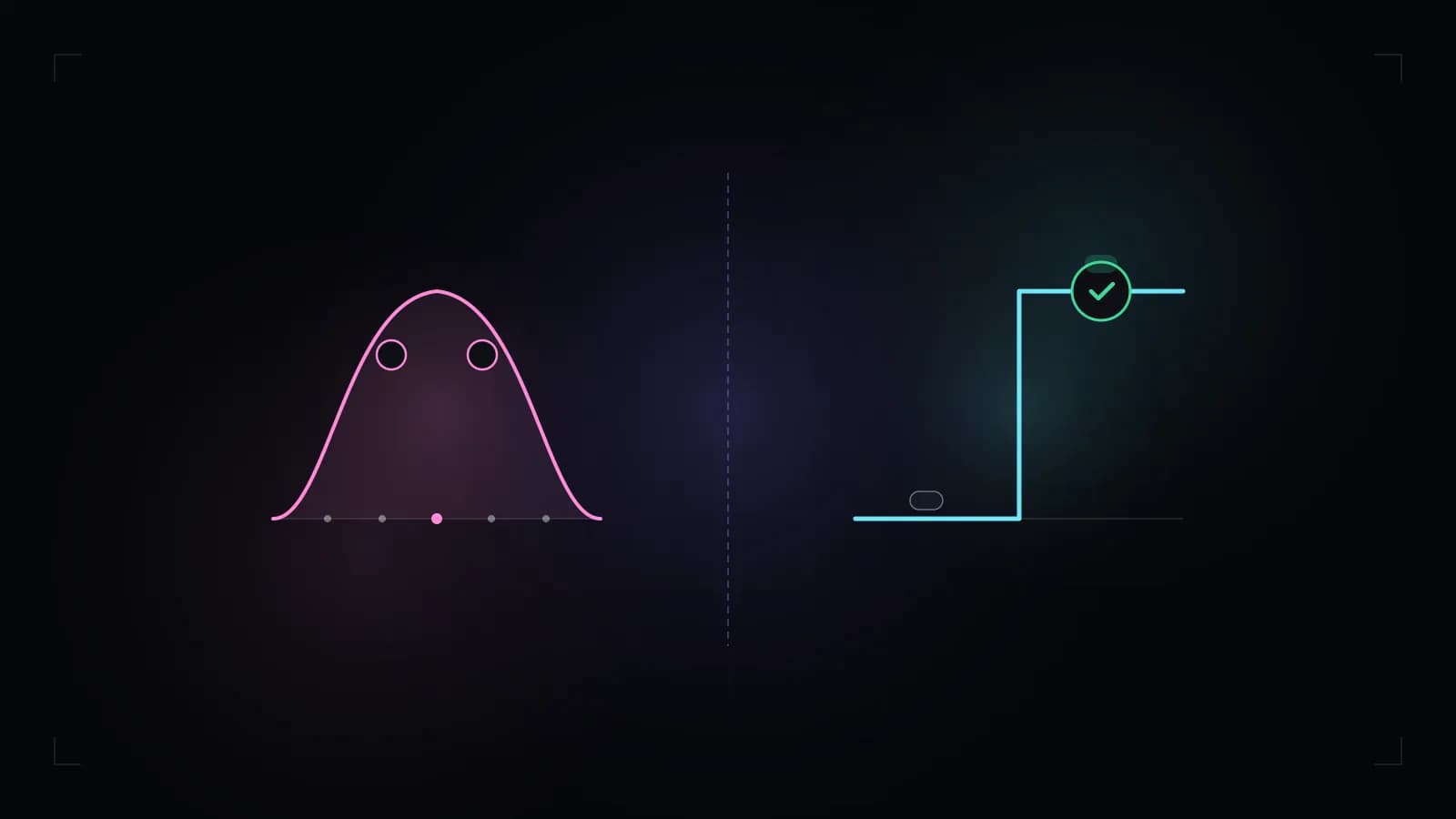
RLHF vs RLVR: what’s the difference, and when to use each?
RLHF optimizes a reward model learned from human preferences; RLVR optimizes rewards a program computes by checking the result. Here’s how to choose.
5 min read

How to buy expert training data: formats, quality and provenance
Before expert data work starts, specify the training format, the expertise needed and the evidence you’ll accept: gold accuracy, agreement and provenance.
6 min read
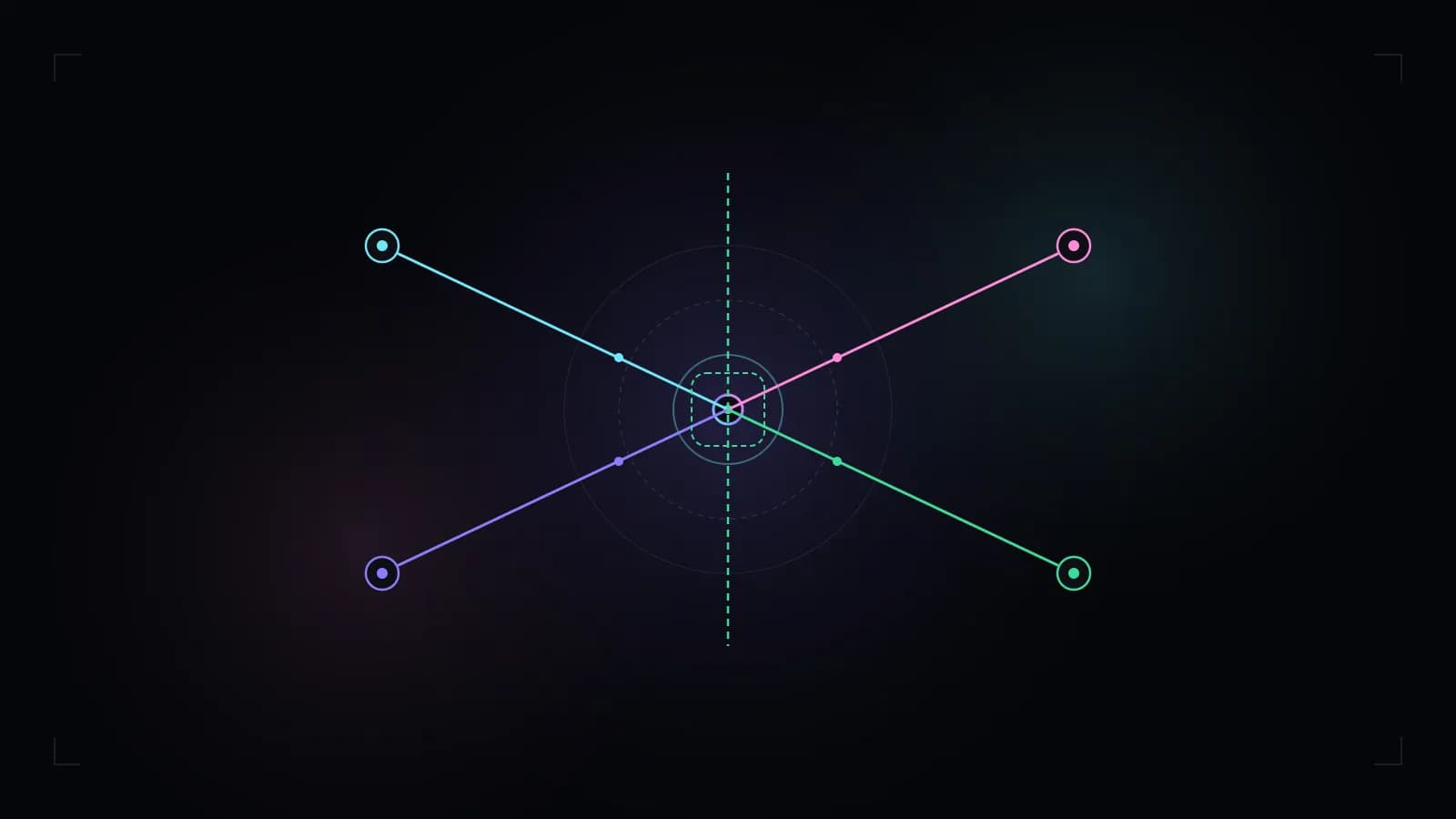
How to measure annotator agreement: Cohen’s kappa and Krippendorff’s alpha
Use Cohen’s kappa for two annotators and Krippendorff’s alpha for more, missing labels or scales. Worked examples show why percent agreement misleads.
5 min read